
You know your panel size to the patient. You can tell me exactly how many members you have, what your churn rate was last quarter, and probably which patients are coming up for renewal this month.
But ask where those patients came from? Most DPC physicians can only guess.
“Word of mouth, I think.” “Maybe Google?” “Some from that Facebook ad we ran last year?”
This isn’t just a data gap. It’s a growth problem. When you don’t know which marketing channels actually drive memberships, you’re flying blind with every dollar you spend. And for solo and small DPC practices operating on tight margins, guessing is expensive.
Here’s the good news: tracking lead sources for a DPC practice isn’t as complicated as enterprise marketing software vendors want you to believe. You don’t need a six-figure analytics stack or a dedicated marketing team. You need a systematic approach built for how membership medicine actually works.
This guide will show you exactly how to track where your patients come from, which channels deserve your budget, and how to measure what’s actually working-all while staying HIPAA compliant.
Why lead source tracking matters more for DPC
Let’s start with the economics that make DPC different from fee-for-service.
In traditional primary care, a patient might visit twice a year. Maybe three times. The lifetime value calculation is fuzzy because patients drift in and out based on insurance changes, convenience, and whether they remember your name.
DPC flips that model. A member paying $100 per month represents $1,200 annually-and if they stay five years, that’s $6,000 from a single acquisition. The math changes everything.
When patient lifetime value is that high, the question shifts from “how do I see more patients today” to “how do I acquire members efficiently and keep them long-term.” And you can’t answer that question without knowing where your members come from.
Consider the reality most DPC practices face: marketing budgets measured in hundreds, not thousands. Every dollar spent on Facebook ads, every hour at a community health fair, every referral card printed-it all needs to work. Practices that track lead sources can reallocate budget from channels that don’t convert to channels that do. According to research from Patient10x, practices with advanced attribution improve budget allocation efficiency by 25-40%.
There’s another factor unique to DPC: word-of-mouth dominates. For most practices, patient referrals drive the majority of new memberships. That’s great-free marketing-but it also means your biggest channel is the hardest to track. We’ll fix that later in this guide.
The DPC marketing funnel: what to track at each stage
Before diving into specific channels, let’s establish what you’re actually measuring. The patient journey from stranger to member follows a predictable path, and each stage requires different tracking.
Awareness stage
This is where potential patients first discover your practice exists. They might find you through a Google search, see a Facebook ad, hear about DPC from a friend, or meet you at a local business networking event.
What to track: Website visitors, social media reach, content engagement, event attendance.
Why it matters: Awareness metrics tell you which channels are putting your practice in front of potential patients. If you’re getting zero traffic from organic search, your SEO needs work. If your Facebook posts reach 50 people, you need a different strategy.
Consideration stage
Now they know you exist and are actively evaluating whether DPC-and specifically your practice-is right for them. They’re reading your website, maybe downloading a guide, possibly calling with questions.
What to track: Inquiry form submissions, phone calls, email signups, page views on pricing and services pages.
Why it matters: Consideration metrics reveal how many awareness-stage prospects are taking the next step. A practice getting 1,000 website visitors but zero inquiries has a conversion problem, not a traffic problem.
Decision stage
The final step: they’ve decided to become a member. This includes scheduling a meet-and-greet, completing signup forms, or finalizing enrollment.
What to track: Consultation requests, membership signups, signup abandonment rates.
Why it matters: Decision metrics show your close rate. If 50 people schedule consultations but only 10 sign up, something’s breaking in that final conversation.
Conversion benchmarks to know
According to First Page Sage’s 2025 healthcare conversion data, family practice sees visitor-to-prospect conversion rates of 2.1% and prospect-to-patient conversion of 67.8%. General practice runs slightly higher at 2.4% and 67.9% respectively.
These benchmarks come from fee-for-service practices, so take them as directional. DPC likely sees longer consideration phases-committing to a monthly membership is a bigger decision than booking a single appointment-but potentially higher close rates once someone reaches the consultation stage. They’ve already self-selected into the DPC model.
The seven lead sources every DPC practice should track
Now for the practical part. These are the channels that drive patient acquisition for membership medicine practices, and how to track each one.
1. Organic search (SEO)
When someone searches “direct primary care near me” or “DPC doctor [your city],” where does your practice show up? Organic search is the highest-converting channel in healthcare marketing-76.9% prospect-to-patient conversion according to First Page Sage-because searchers have high intent. They’re actively looking for what you offer.
How to track it: Google Analytics 4 (more on setup later) automatically segments organic search traffic. You can see exactly how many visitors found you through Google, what keywords they used, and which pages they viewed.
DPC consideration: Most patients search for DPC by location. If you’re not ranking for “[your city] direct primary care,” you’re invisible to high-intent prospects. Practice Vita helps practices get found online with SEO-optimized websites built specifically for DPC.
2. Paid advertising
Google Ads, Facebook ads, Instagram promotions-paid channels let you reach specific audiences with targeted messages. But they also require careful tracking to ensure positive ROI.
How to track it: UTM parameters on all ad links (covered in detail below), plus platform-specific conversion tracking. For Google Ads, connect your GA4 account. For Facebook, see the HIPAA section-standard pixel implementation is problematic.
DPC consideration: The healthcare average customer acquisition cost ranges from $300 to $1,000 per patient. If you’re spending $500 to acquire a member paying $100/month, you break even in five months. That’s reasonable for a multi-year relationship. If you’re spending $2,000? Something’s wrong.
3. Word-of-mouth referrals
Here’s the elephant in the room. 74% of patients cite word-of-mouth as a key influence in healthcare decisions. For DPC practices, that number is probably higher. Your happy members are your best marketing channel.
How to track it: This requires manual capture at intake. More on systematic approaches in a dedicated section below.
DPC consideration: Word-of-mouth is free, but it’s not effortless. Practices that systematically encourage and track referrals grow faster than those hoping referrals happen organically.
4. Physician and provider referrals
Different from patient referrals. These come from specialists, urgent care providers, or other physicians in your community who send patients your way. The referral source is a professional relationship, not a patient experience.
How to track it: Track separately from patient referrals in your intake process. “Were you referred by another healthcare provider?” is a different question than “Did a friend or family member recommend us?”
DPC consideration: Building referral relationships with local specialists can be a sustainable patient source, especially for practices with specific clinical focuses.
5. Community and events
Speaking engagements at the Rotary Club. Booths at health fairs. Presentations to local business owners. These offline channels are common for DPC practices building local presence.
How to track it: Create unique tracking mechanisms for each event-specific landing page URLs, promo codes, or QR codes that link to trackable pages. When someone from the Chamber of Commerce presentation signs up, you’ll know.
DPC consideration: Event marketing is time-intensive. Tracking helps you decide whether that monthly networking breakfast is worth three hours away from patients.
6. Employer outreach
DPC’s B2B channel. When employers offer DPC as a benefit, they bring multiple employees at once. This is a longer sales cycle with different stakeholders, but higher value per conversion.
How to track it: CRM with deal stages (prospect, proposal, negotiation, closed). Track the original lead source for each employer opportunity-was it a cold outreach, broker referral, or employee request?
DPC consideration: Employer leads need different attribution than individual patients. The decision-maker (HR director) isn’t the end user (employees). Practice Pull includes employer engagement tools designed for this exact workflow.
7. Social media (organic)
LinkedIn for employer-focused content. Facebook and Instagram for patient education. Social media rarely drives direct conversions, but it influences the consideration phase.
How to track it: UTM parameters on every link you share. When you post about DPC on LinkedIn and include a link to your website, that link should have tracking parameters so you know that visitor came from your LinkedIn post, not just “social media.”
DPC consideration: Social media is better for nurturing than acquisition. Someone might follow you for months before becoming a patient. Track engagement alongside conversion.
Setting up your tracking infrastructure
Let’s get practical. Here’s how to build a tracking system that works for a small DPC practice without enterprise software budgets.
Google Analytics 4 for DPC practices
GA4 is free and powerful enough for any independent practice. If you haven’t set it up, start here:
- Create a GA4 property in your Google Analytics account
- Install the tracking code on your website (your website platform likely has a plugin or integration for this)
- Set up conversion events for key actions:
- Contact form submissions
- Phone number clicks (track with a “click” event on phone links)
- Schedule/book buttons
- Signup form completions
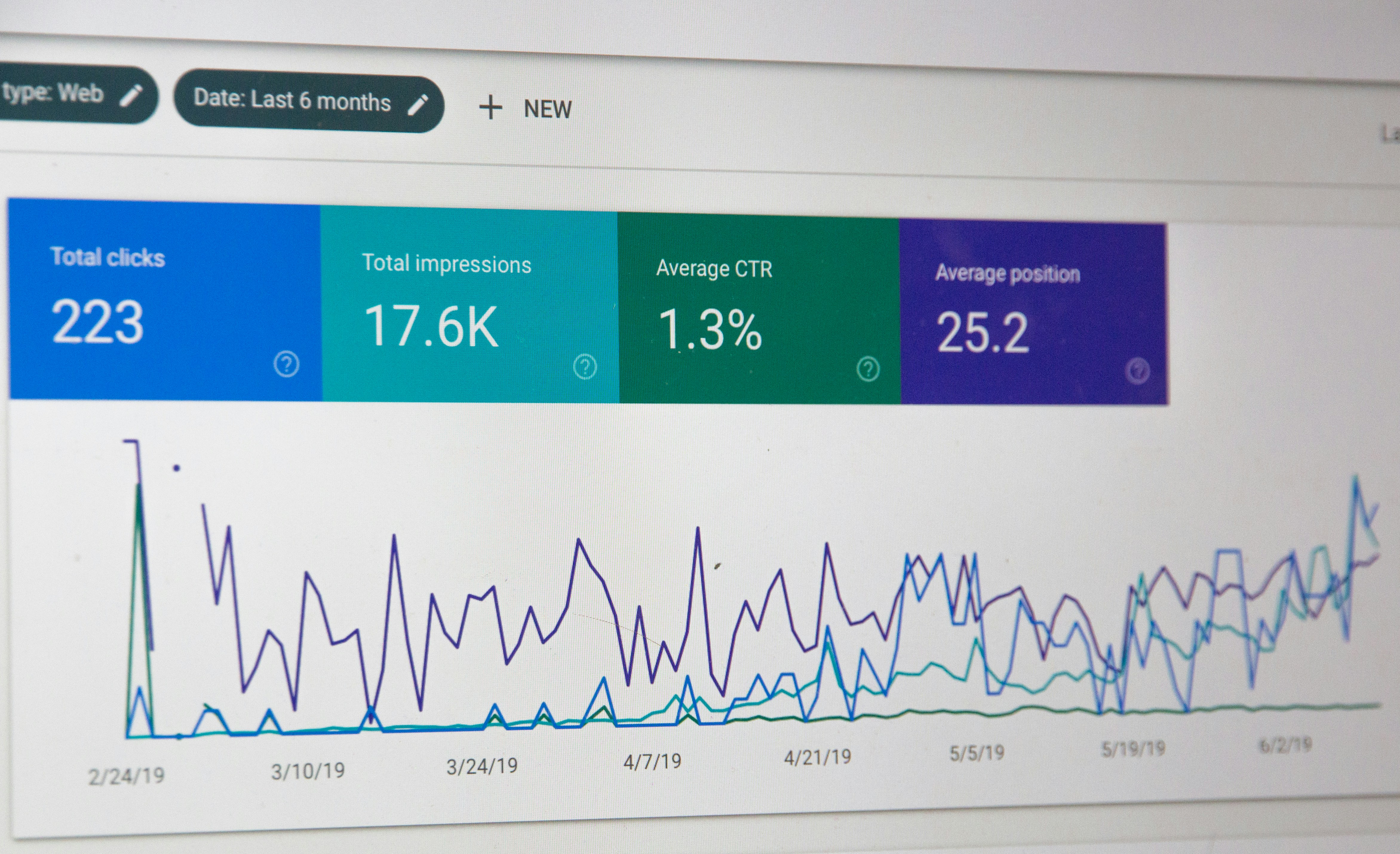
The Traffic Acquisition report in GA4 shows you exactly where visitors come from-organic search, paid, social, direct-and the Conversions report shows which sources drive actual inquiries.
UTM parameters: the foundation of digital attribution
UTM parameters are tags you add to URLs that tell your analytics where traffic came from. They’re the difference between knowing someone came from “Facebook” and knowing they came from “your January employer awareness campaign on Facebook.”
There are five parameters:
- utm_source: The platform (facebook, google, newsletter)
- utm_medium: The channel type (paid, organic, email)
- utm_campaign: The specific campaign name (employer-q1, open-enrollment)
- utm_term: The keyword, if applicable (paid search)
- utm_content: Differentiates similar links (blue-button vs red-button)
A properly tagged URL looks like this:
yourpractice.com/?utm_source=facebook&utm_medium=paid&utm_campaign=employer-awareness-jan
Use Google’s free Campaign URL Builder to create these. The critical rule: be consistent with naming conventions. “Facebook” and “facebook” and “FB” are three different sources in your reports.
Call tracking for phone-first practices
Here’s something most marketing guides skip: over 50% of healthcare inquiries still happen by phone. If your main call-to-action is “Call to schedule,” you need to track those calls.
Call tracking works by assigning unique phone numbers to different marketing channels. The number on your Google Ad is different from the number on your website, which is different from the number on your print materials. When someone calls, you know which channel drove them.
Look for HIPAA-compliant call tracking providers that sign Business Associate Agreements. CallRail, Liine, and others offer healthcare-specific solutions.
The “ask every patient” method
Here’s the manual backup that catches what digital tracking misses: ask every new patient where they heard about you.
Add a lead source field to your intake forms with options like:
- Friend or family member referral
- Another healthcare provider
- Google search
- Community event
- Employer benefit
- Other (please specify)
Train your front desk to ask during initial calls: “How did you hear about our practice?” This captures word-of-mouth referrals that have no digital footprint, plus serves as a verification of your digital tracking.
Practice Relay can automate this data flow, connecting what you learn at intake to your marketing tools without manual data entry.
Multi-touch attribution: the complete patient journey
Here’s where tracking gets more sophisticated. Most patients don’t find your practice, call immediately, and sign up. According to Valet Health, patients make an average of six digital contacts with a practice before booking.
A typical journey might look like this:
- Sees your practice mentioned in a local Facebook group
- Googles “DPC [your city]” and clicks your website
- Signs up for your email newsletter
- Receives three nurture emails over two months
- Clicks a link in email, reviews your pricing page
- Finally calls to schedule a consultation
Which channel gets credit for that membership? The Facebook mention that started everything? The Google search that brought them to your site? The email that prompted the final action?
Attribution models explained
| Model | Credit Distribution | Best For DPC |
|---|---|---|
| First-touch | 100% to first interaction | Measuring which channels create awareness |
| Last-touch | 100% to final touchpoint | Optimizing what prompts signup action |
| Linear | Equal across all touchpoints | Balanced view of full patient journey |
| U-shaped | 40% first, 40% last, 20% middle | Recommended for DPC - values discovery and conversion |
U-shaped attribution is often the best fit for membership medicine because it acknowledges that both the channel that introduced someone to DPC and the touchpoint that prompted action deserve significant credit, while the nurturing in between still matters.
Practical multi-touch for small practices
You don’t need Salesforce or HubSpot Enterprise to track multi-touch attribution. Here’s a simple approach:
- Your digital tracking (GA4, UTM parameters) captures the “last click” before conversion
- Your intake form captures the self-reported “how did you hear about us” (often the first touch)
- You now have first-touch and last-touch data for every patient
Compare the two. If someone’s intake form says “friend referral” but your UTM data shows they clicked through from a Google Ad, you know referral drove awareness and the ad drove conversion. That’s actionable intelligence about how your channels work together.
HIPAA compliance: the rules of the road
This section matters. Many healthcare practices have unknowingly violated HIPAA by following standard marketing tracking advice. The FTC has issued fines up to $7.8 million for improper use of tracking pixels.
What you can track safely
- General website traffic and behavior (page views, time on site)
- Conversion events with generic names (“form_submission” not “diabetes_consult_request”)
- Ad click IDs (gclid, fbclid) without combining them with health information
- Aggregate, de-identified data
What requires extreme caution
Facebook/Meta Pixel: The standard implementation sends page URLs and user identifiers to Facebook. If your website has pages like “/services/diabetes-management,” you’ve potentially sent protected health information to a non-HIPAA-covered entity. Remove standard pixel implementation from healthcare websites.
IP addresses + health info: An IP address alone isn’t PHI. But an IP address combined with a page visit to “/weight-loss-consultation” could be. The combination creates the violation.
Any data linking identity to health information: This is the core HIPAA concern. Tracking tools that combine “who someone is” with “what health content they viewed” are problematic.
Compliant alternatives
Server-side tracking with data governance: Instead of sending data directly from your website to Facebook, route it through a HIPAA-compliant data platform that strips identifying information before forwarding. Companies like Freshpaint specialize in this.
GA4 with proper configuration: Google Analytics, properly configured, can be HIPAA-compliant. Focus on aggregate data, avoid tracking user IDs, and don’t create audiences based on health-related page views.
HIPAA-compliant CRMs: If you want marketing automation integrated with patient data, use platforms that sign BAAs. HubSpot offers HIPAA compliance at enterprise tier. Practice Pull is built for healthcare from day one. For the patient-facing side, Practice Portal provides a compliant digital front door without the privacy risks of generic portals.
The safest approach for most DPC practices: track marketing channels through GA4 and UTM parameters without connecting that data to patient health information. Keep marketing data and clinical data in separate systems unless using HIPAA-compliant integrations.
Tracking word-of-mouth: your hidden marketing engine
Word-of-mouth drives the majority of new patients for most DPC practices, yet it’s the channel physicians struggle most to measure. Let’s fix that.
Why it’s hard to track
No digital footprint exists when a member tells their coworker about your practice over lunch. The coworker might not remember the conversation when they fill out your intake form three months later. Multiple influences often combine-maybe they heard from a friend AND saw a Facebook ad.
But “hard” isn’t “impossible.”
Systematic approaches that work
Be specific in how you ask: Instead of “How did you hear about us?” try “Who can we thank for referring you?” The personal framing prompts specific names rather than vague “friend” responses.
Track referring patients, not just referrals: When someone gives a name, record both the new patient AND the referring patient. Over time, you’ll see which members are your biggest advocates.
Use Net Promoter Score as a proxy: Ask existing patients “How likely are you to recommend us to a friend?” Practices with high NPS scores can expect strong word-of-mouth. Track NPS quarterly and watch for trends.
Make referrals trackable: Referral cards with unique codes. “Tell them Sarah sent you” campaigns. Specific landing pages for referred patients. Give referrals a digital breadcrumb.
Encouraging (and tracking) reviews
Online reviews are word-of-mouth at scale. When a satisfied patient leaves a Google review, future prospects read it. 83% of patients read reviews before choosing a physician.
Systematically ask happy patients for reviews. Track which patients leave them and what they say. Monitor your Google Business profile for new reviews-they often indicate referral activity.
Note: The AMA has ethical guidelines around patient referral programs. Financial incentives for referrals are generally prohibited. Non-monetary recognition and simple “thank you” acknowledgments are fine.
Employer lead tracking: the B2B difference
Employer contracts represent DPC’s biggest growth opportunity. One signed employer can add 20, 50, or 100 members at once. But the sales cycle is entirely different from individual patient acquisition.
Why employer leads need different attribution
Individual patients decide in days or weeks. Employers take months. The decision involves multiple stakeholders-HR directors, benefits brokers, CFOs, sometimes legal. The “lead” might be an interested employee, but the “buyer” is the HR team.
Standard marketing attribution doesn’t account for this complexity. You need pipeline tracking, not just conversion tracking.
Tracking employer touchpoints
LinkedIn: Many employer relationships start with professional networking. Track connection requests, content engagement, and DM conversations.
Broker referrals: Benefits brokers increasingly recommend DPC. Track which brokers send opportunities and which convert.
Event and conference capture: When you meet an HR director at a benefits conference, log that contact immediately with the source noted.
Proposal-to-close tracking: Once you’ve submitted a proposal, track the stages: proposal sent, under review, negotiating, won/lost. Attribution should connect back to the original lead source.
CRM for employer pipeline
You need a system to track employer opportunities through the sales cycle. This doesn’t have to be Salesforce-a simple spreadsheet can work-but it needs:
- Lead source for each opportunity
- Current stage in the pipeline
- Key contacts and stakeholders
- Activity history (emails, calls, meetings)
- Projected member count if won
Practice Pull includes employer engagement tools that track this pipeline alongside your individual patient marketing.
Putting it all together: your lead tracking action plan
Here’s how to implement everything in this guide, broken into manageable phases.
Week 1: Foundation
Set up Google Analytics 4 if you haven’t already. Create conversion events for form submissions, phone clicks, and any other key actions. Add a lead source field to your patient intake forms with clear options. Brief your front desk on asking new patients where they heard about you.
Weeks 2-4: Digital tracking
Establish UTM naming conventions and document them. Create a simple spreadsheet or use Google’s URL builder. Tag every link going forward-social media posts, email newsletters, paid ads, everything. If phone is a primary channel, set up call tracking with a HIPAA-compliant provider.
Month 2 and beyond: Analysis and optimization
Review your attribution data monthly. Build a simple report showing: new patients by source, cost per acquisition by channel (if applicable), and trends over time.
Ask yourself:
- Which channels drive the most new members?
- What’s my cost to acquire a member from each channel?
- Where should I increase investment? Where should I cut?
The single most important metric is customer acquisition cost (CAC) by lead source. The formula is simple: marketing spend on channel divided by new members from that channel.
If Facebook ads cost $500/month and drive five new members, your Facebook CAC is $100. If word-of-mouth is “free” (no direct spend) and drives 10 members, your word-of-mouth CAC is effectively $0. That comparison tells you where to focus.
For context, the healthcare average CAC ranges from $300 to $1,000. DPC’s higher lifetime value means you can afford higher CAC, but efficiency still matters for practice sustainability.
The bottom line on DPC lead source tracking
You can’t optimize what you don’t measure. Every DPC practice claims to care about growth, but practices that actually track lead sources grow faster-and spend less doing it.
The membership model makes this investment worthwhile. When a patient represents thousands of dollars in lifetime value, knowing exactly which marketing efforts acquire those patients isn’t optional. It’s how you build a sustainable practice.
Start simple. Track the seven lead sources. Set up basic analytics. Ask every patient where they heard about you. You’ll learn more in one month of systematic tracking than you would in a year of guessing.
And when you’re ready to connect your marketing data to your practice operations automatically, see how Practice Pull integrates lead tracking with your EMR and patient data-without the manual work.
The DPC movement grew 241% between 2017 and 2021. Efficient growth isn’t just good for individual practices. It’s proof that this model works, that better healthcare is possible. Track what works. Double down on it. Let’s scale this thing.